One question, thirty seconds
The brief I set myself: explain lunar communications to two audiences at once. A general LinkedIn viewer should follow it with the sound off. An engineer at a space or telecom company should find nothing to correct.
That second audience set the tone. The film had to feel like infrastructure, calm and engineered, rather than a sci-fi trailer. It is anchored to real programmes: ESA's Moonlight lunar relay initiative and NASA's LunaNet interoperability framework.
Plain voice, precise labels
The voiceover stays in plain English. The technical vocabulary lives in the on-screen labels, so specialists get the detail without it slowing everyone else down.
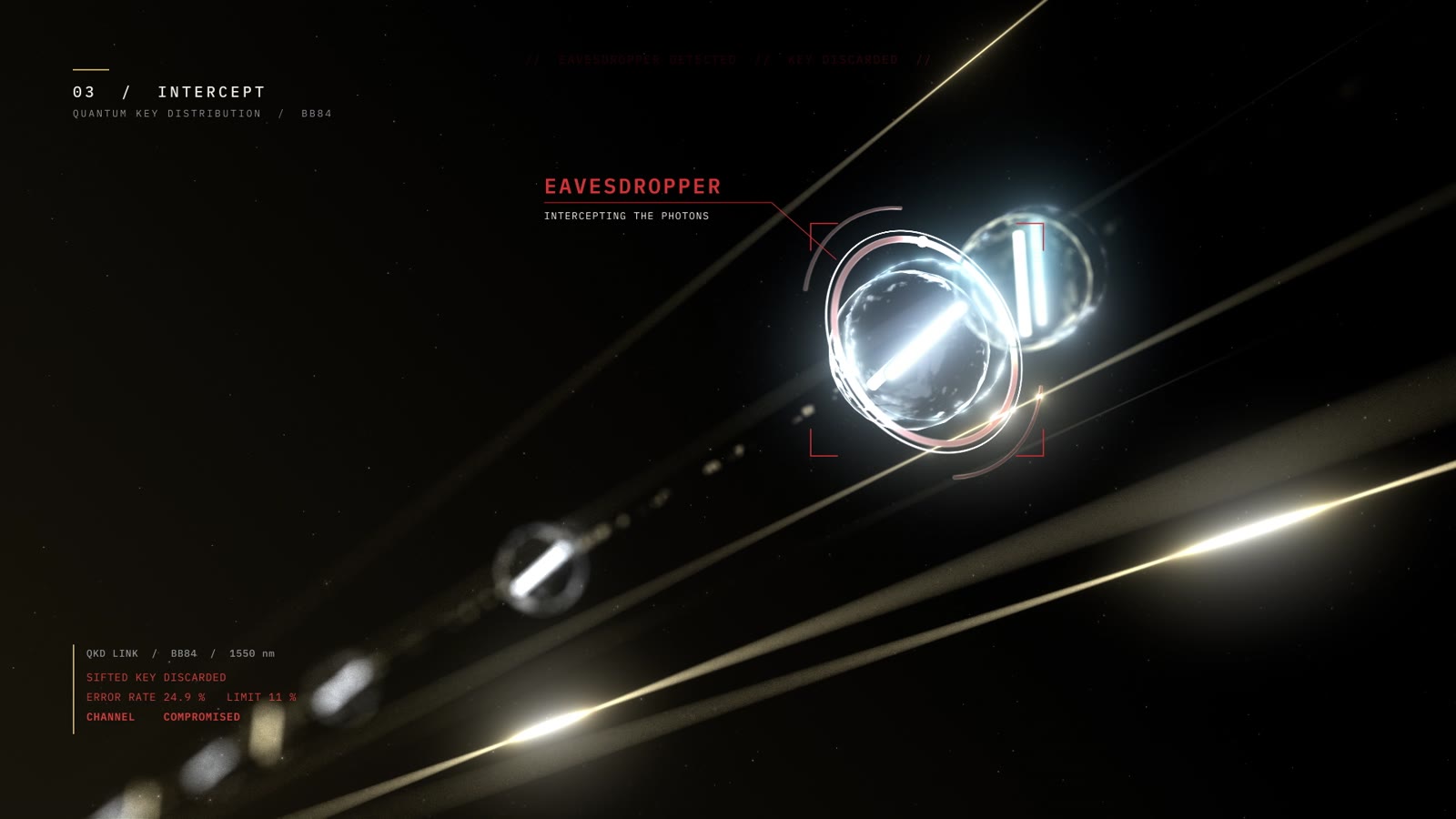
- AccuracyQuantum keys don't block an eavesdropper. They reveal one, because measuring a photon disturbs it. The script says "reveal", never "prevent".
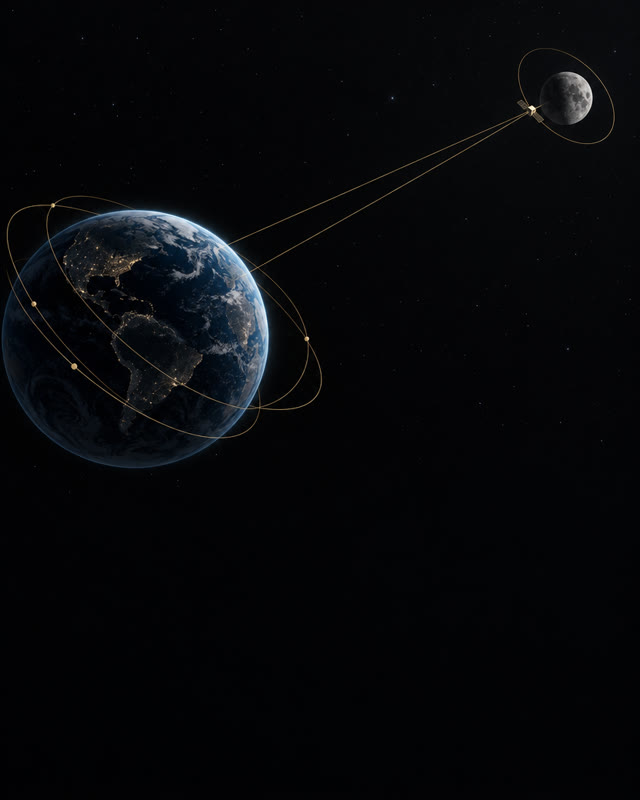
- PhysicsThe far side never sees Earth, so the signal hops through a relay. Light covers the Earth–Moon distance in about 1.3 seconds, which the label shows as light time.
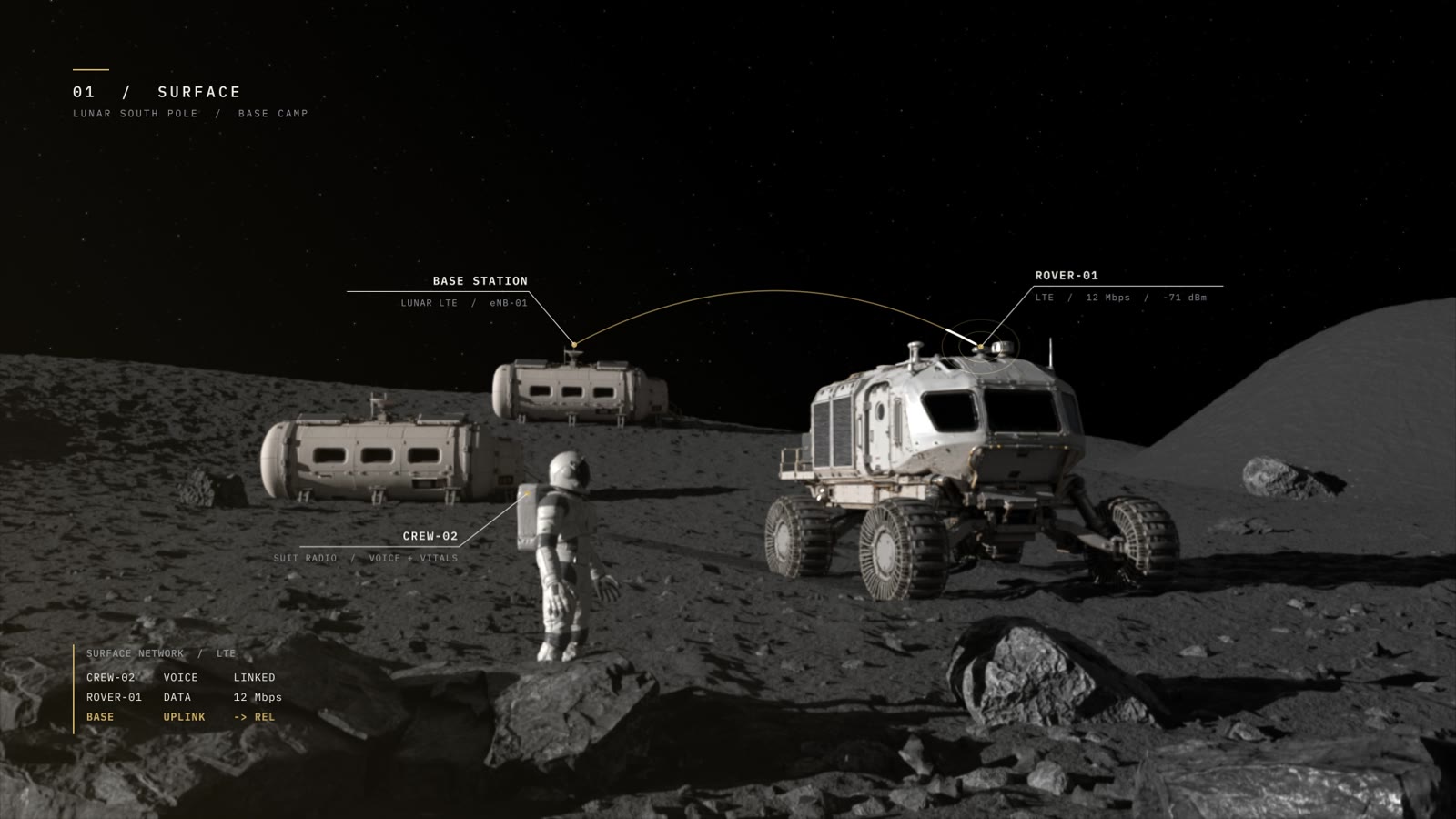
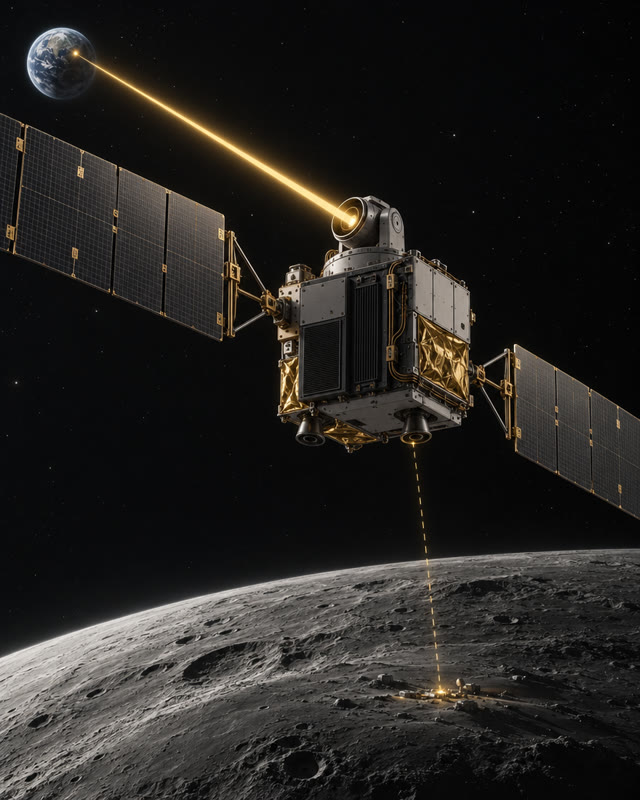
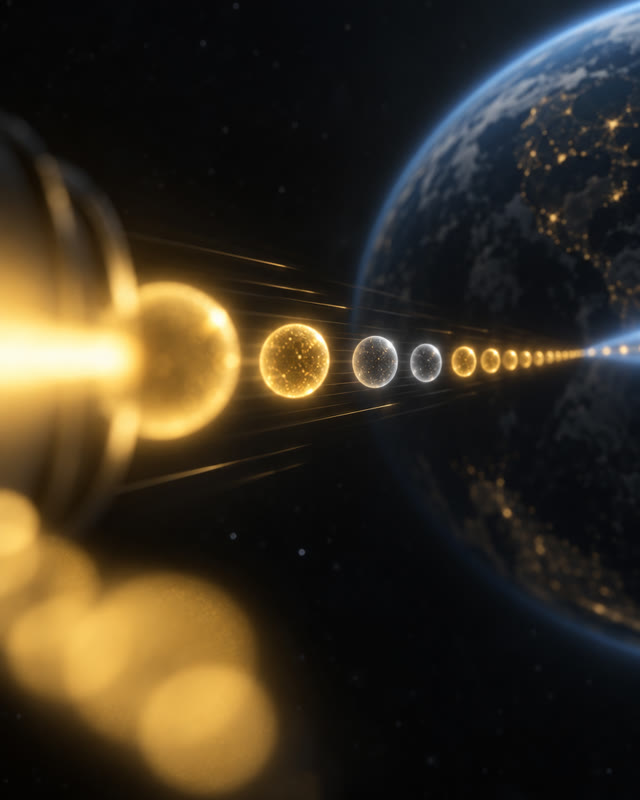
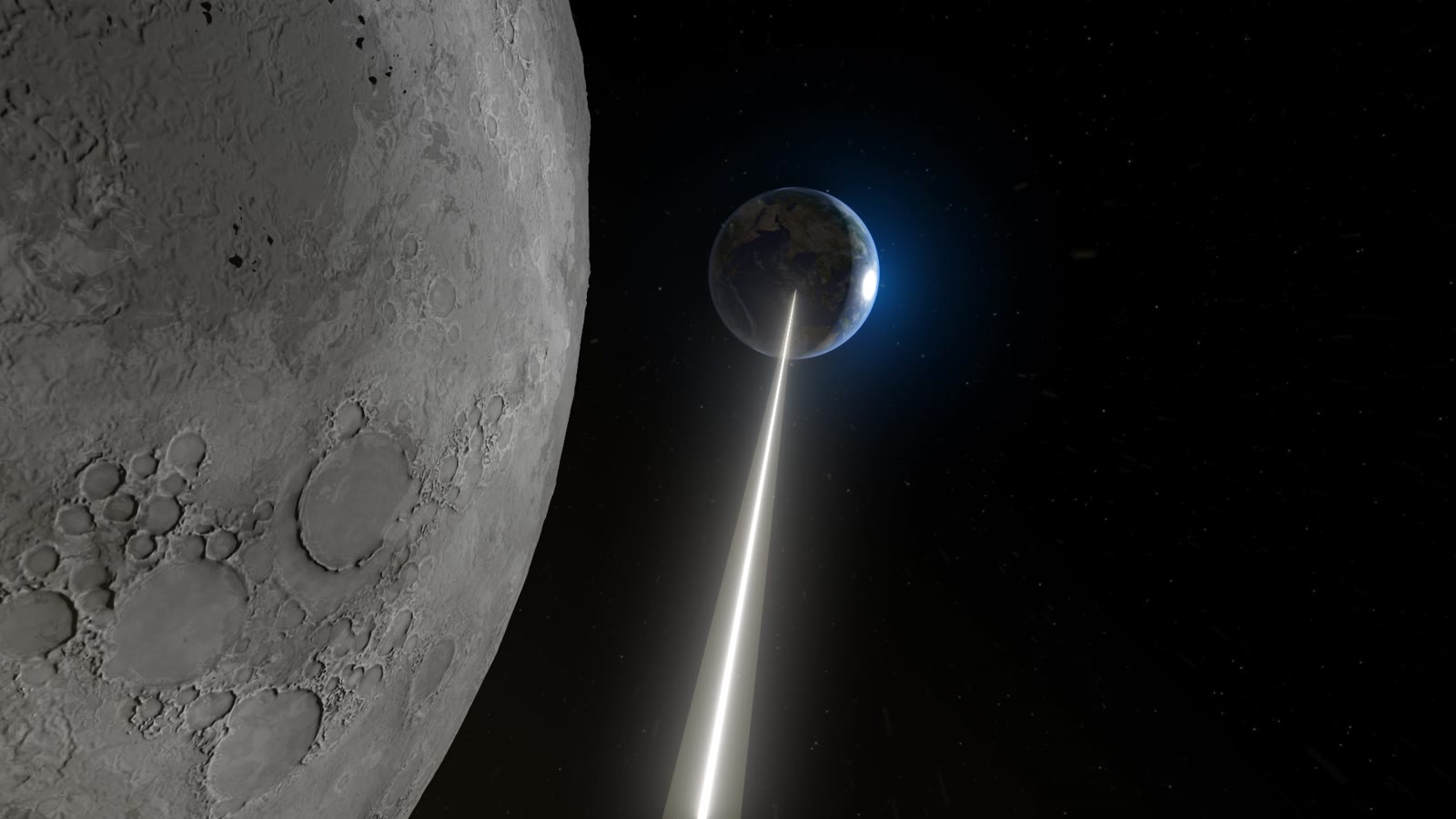
- Visual ruleA thin line means radio. A bold gold beam means laser. The rule holds in every shot.
Two calls that changed the film
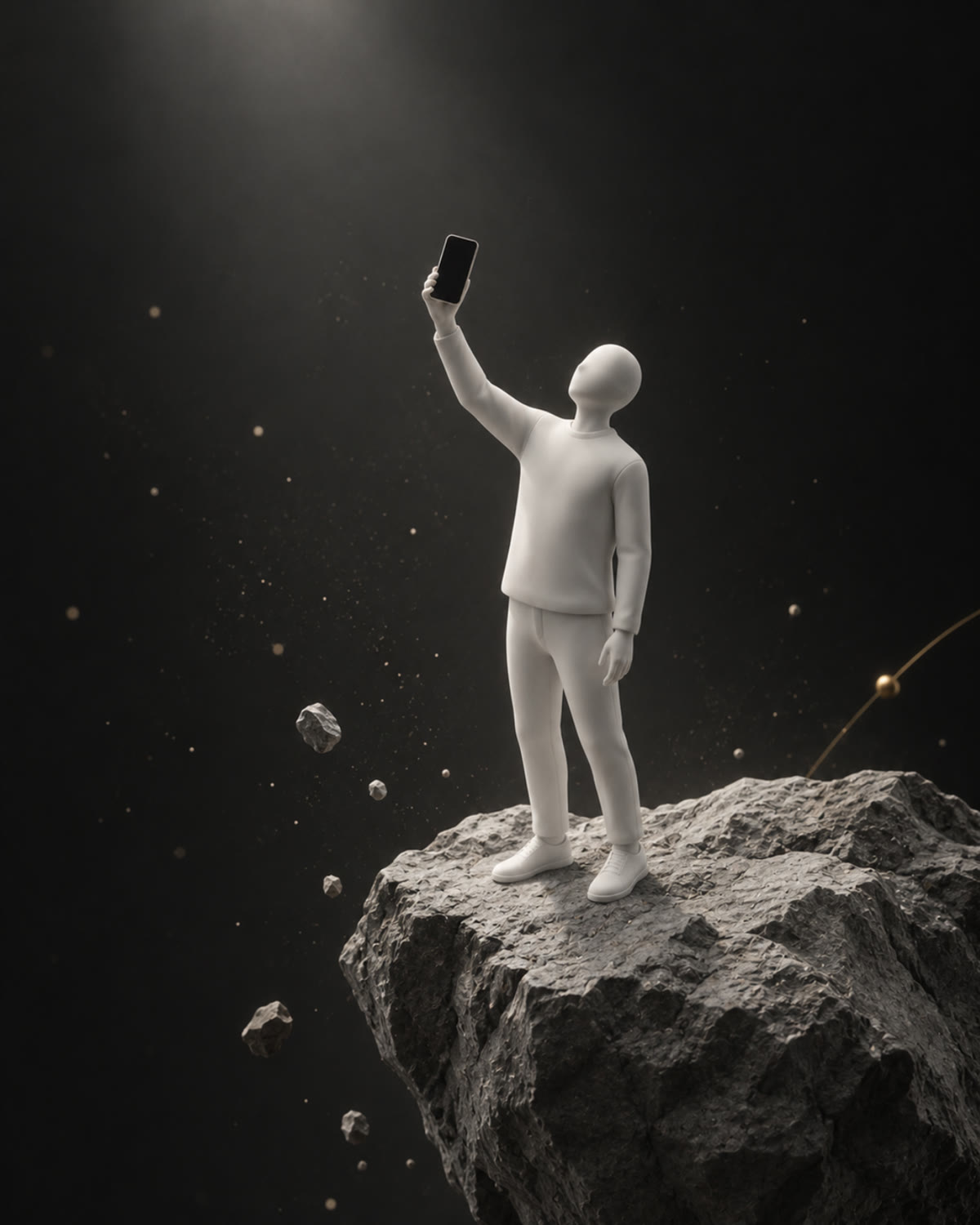
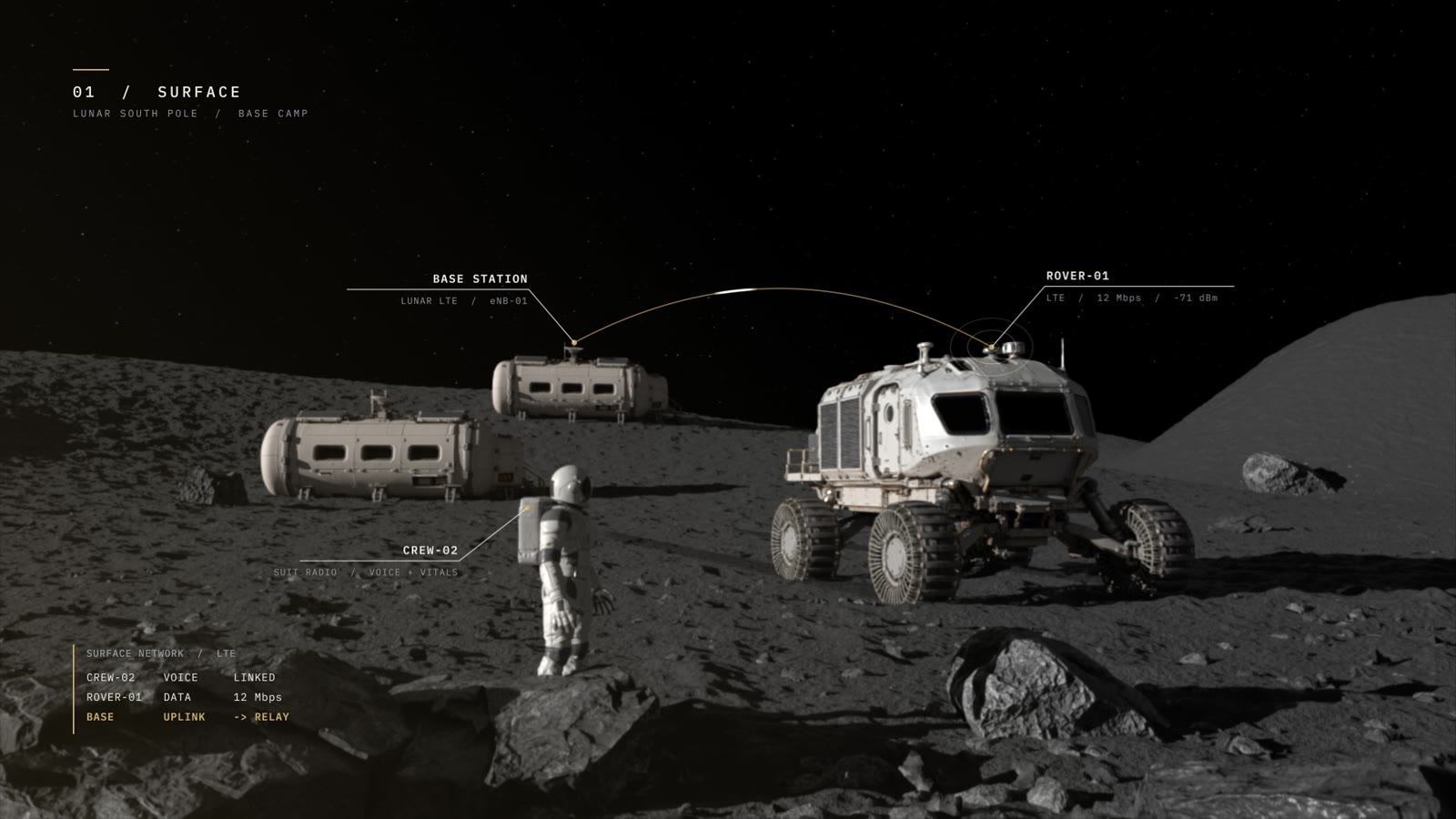
The series began in a stylised world: a white figure on a floating rock. For this film I took it onto a real lunar surface, with low sun, regolith and engineered hardware. Premium buyers read realism as credibility.
The first opening was a person holding up a phone with no signal. It was a good joke but sent the wrong message. It became a crew member and a pressurised rover at a working base, which sets the story up as infrastructure.
Hardware that looks engineered
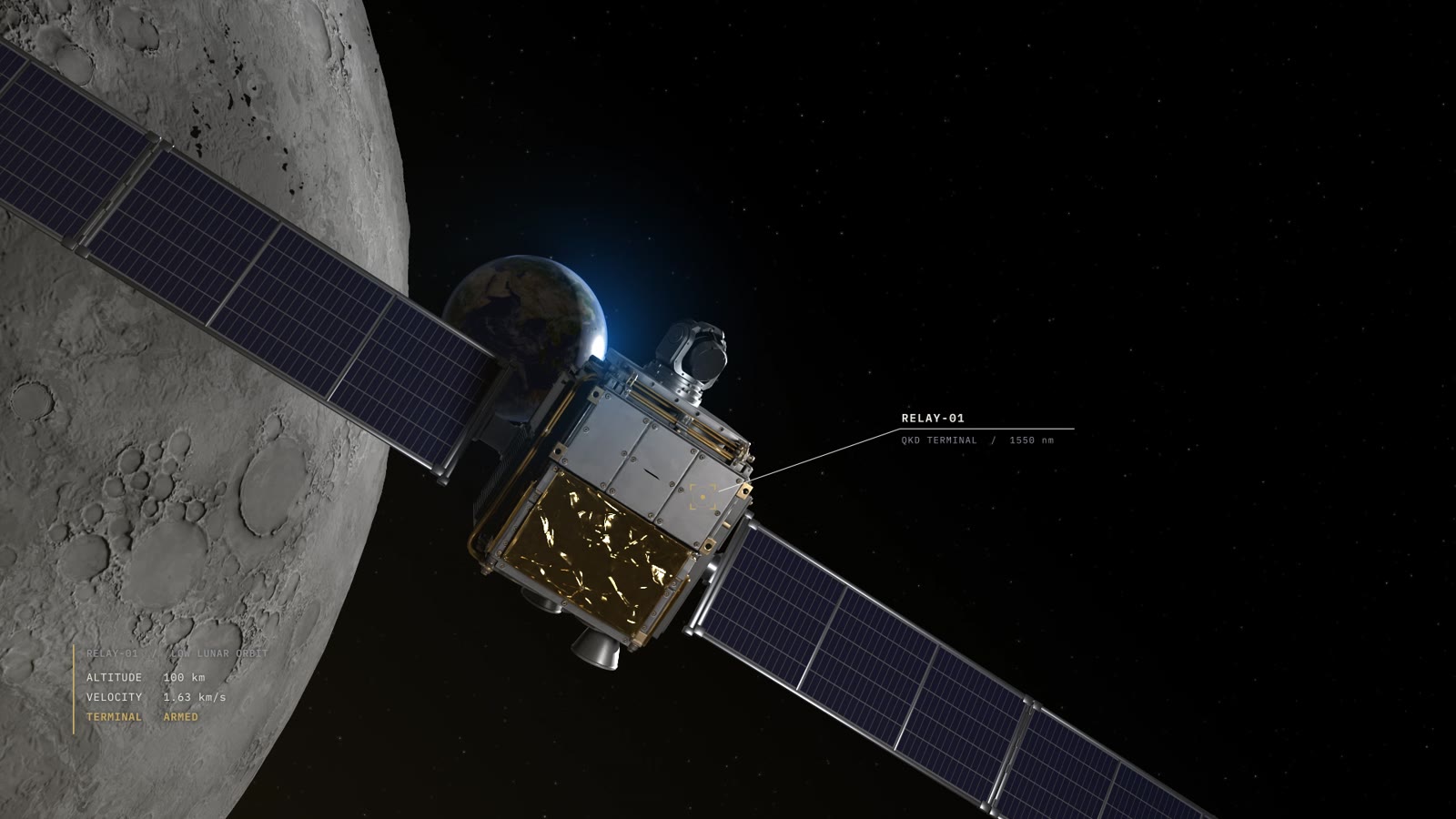
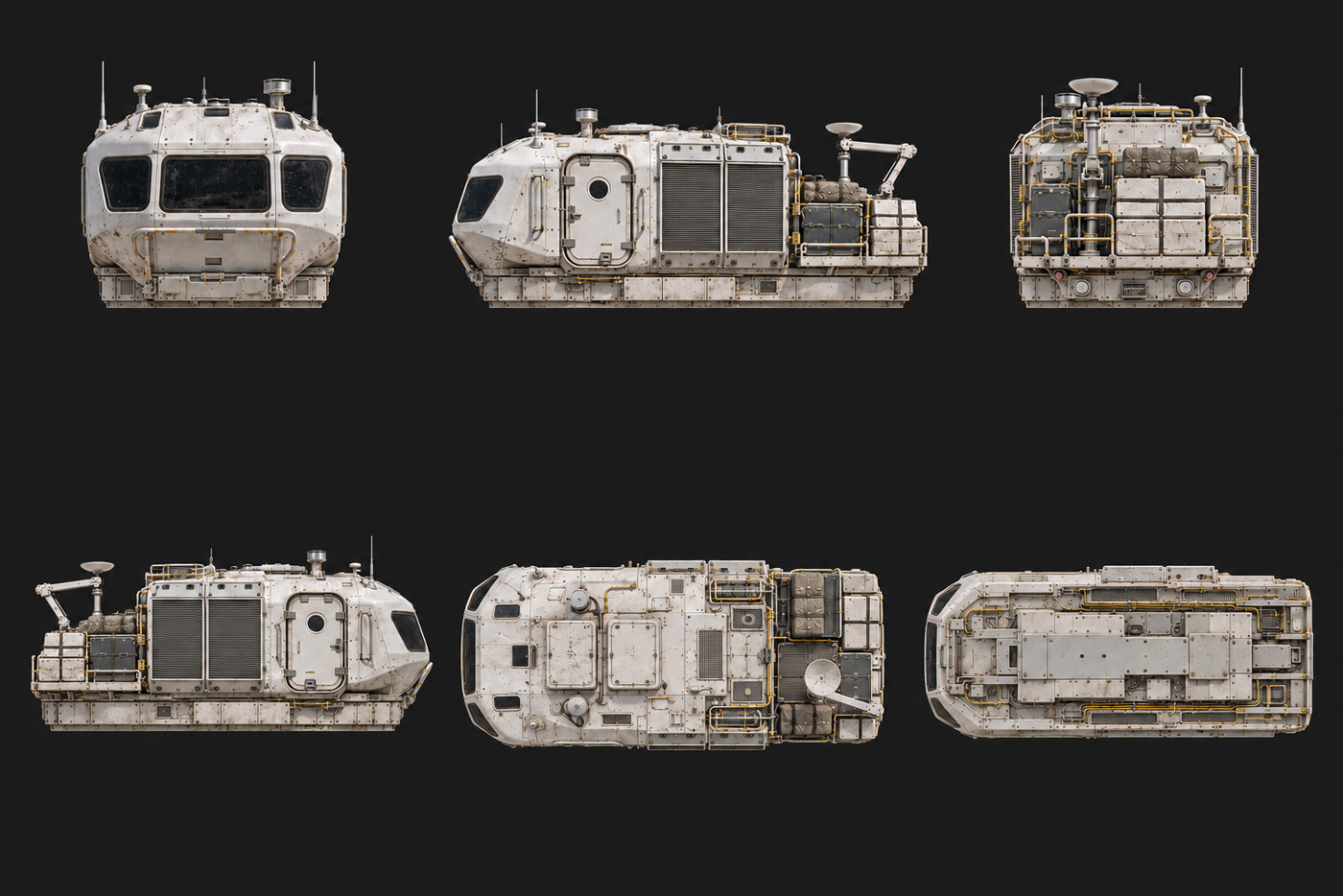
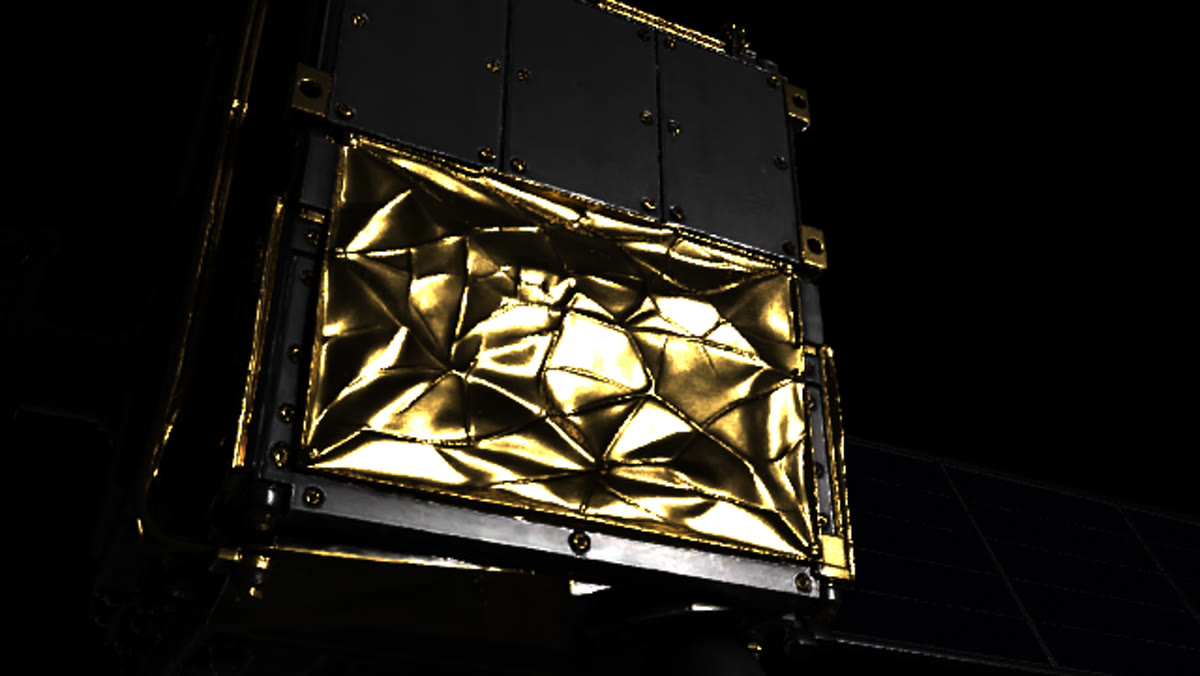
Each hero asset started from orthographic reference sheets, the way a product model would. The relay satellite got a gimballed optical terminal and crinkled gold foil, because that is the detail an engineer's eye looks for first.
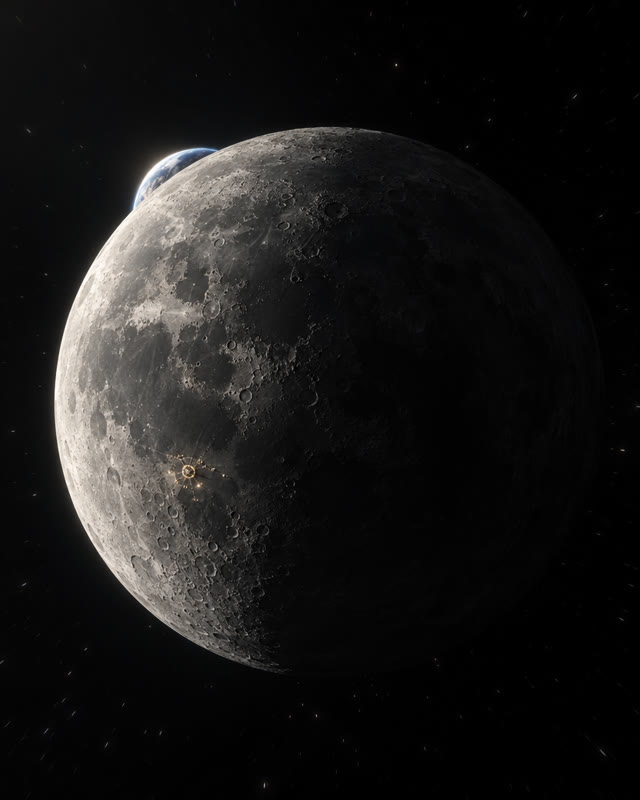
Scenes are built to real proportions. The base is in centimetres and the Earth–Moon shots at 1:1000 scale, so camera lenses and parallax behave like real ones. SH02 alone went through 26 saved versions.
AI tools helped with early composition frames, voice, some base meshes and the ground station plate. Layout, camera, lighting, comp and every accuracy call were directed and finished in Cinema 4D and After Effects.
Blocked in grey, finished in gold
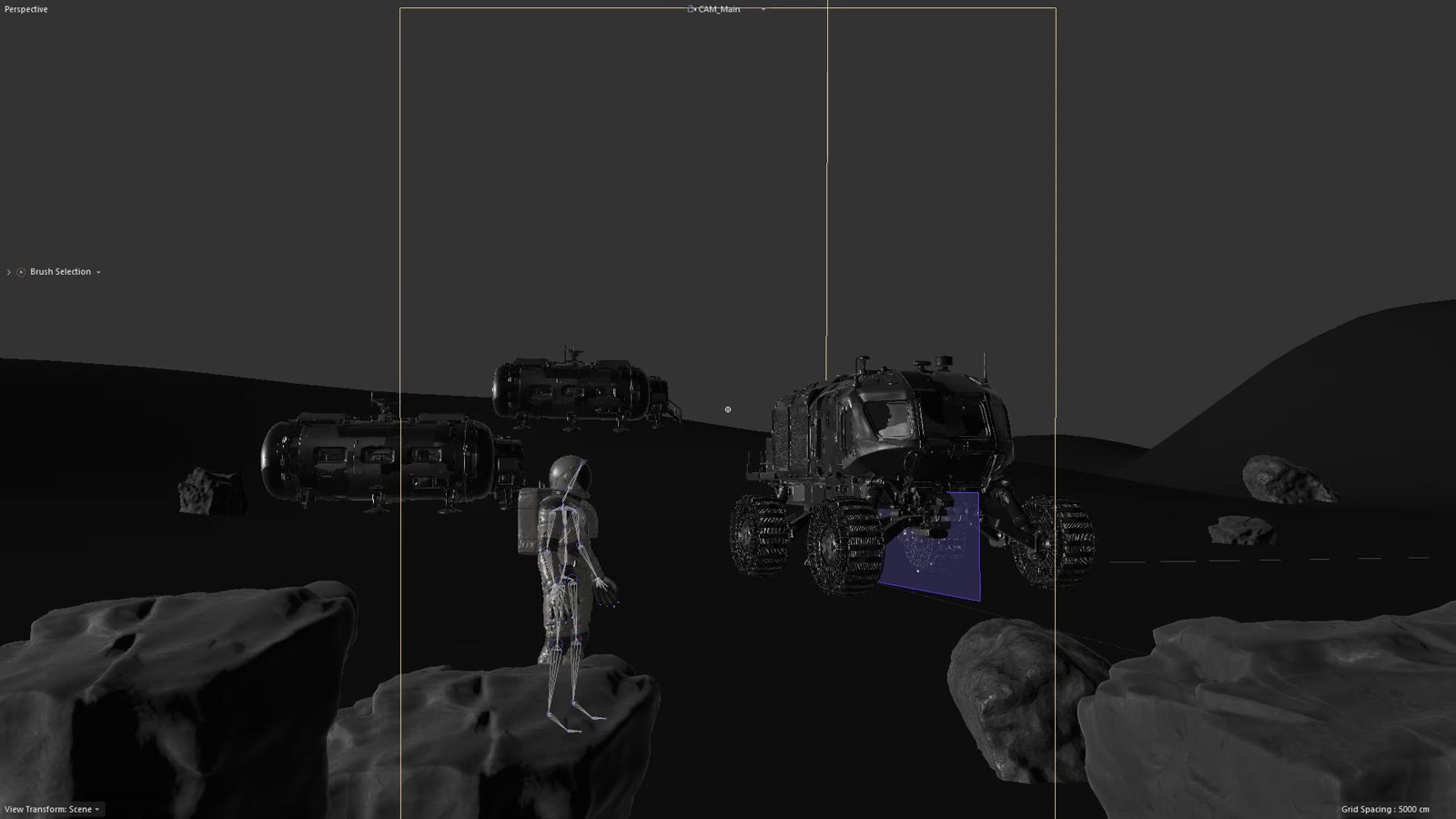
Every move was locked as a fast playblast before any final render: a pull-back from the base to the whole Moon, a hard cut to the relay, then a ride alongside the photon stream with shallow depth of field. Drag across each frame to compare the viewport blockout with the final.
 FinalPlayblast
One warm source in a cold world
The 3D shots sit under a low polar sun with long shadows and almost no fill, the way the lunar south pole is actually lit. Renders came out of Redshift as multipass EXRs with object mattes, so every beam and label could be balanced in comp.
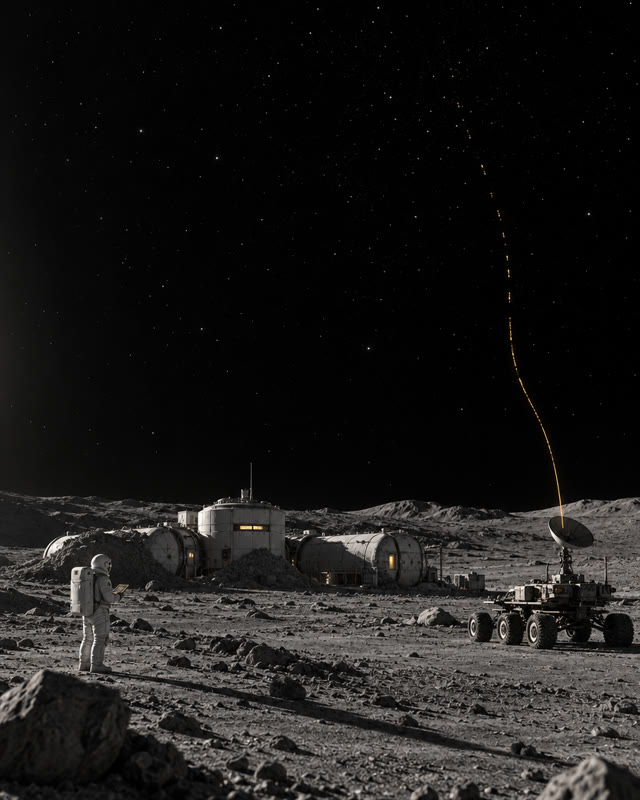
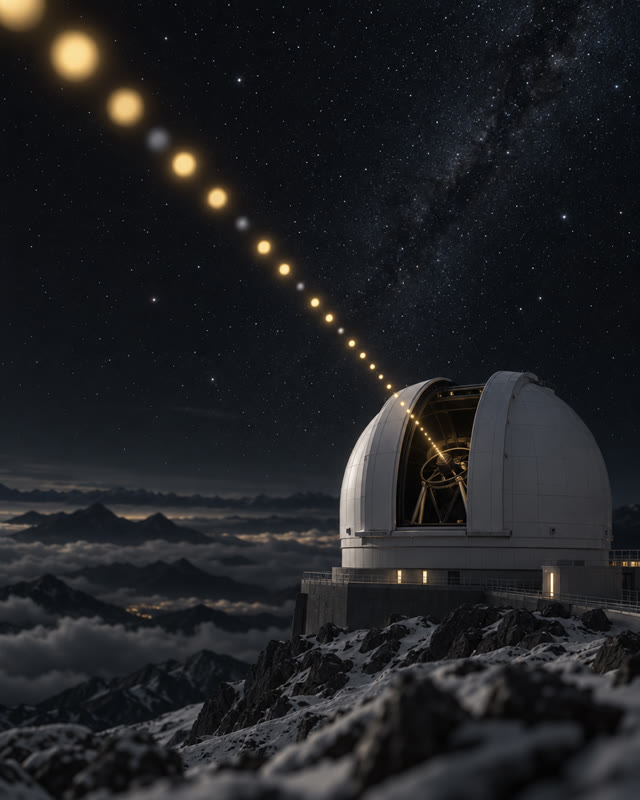
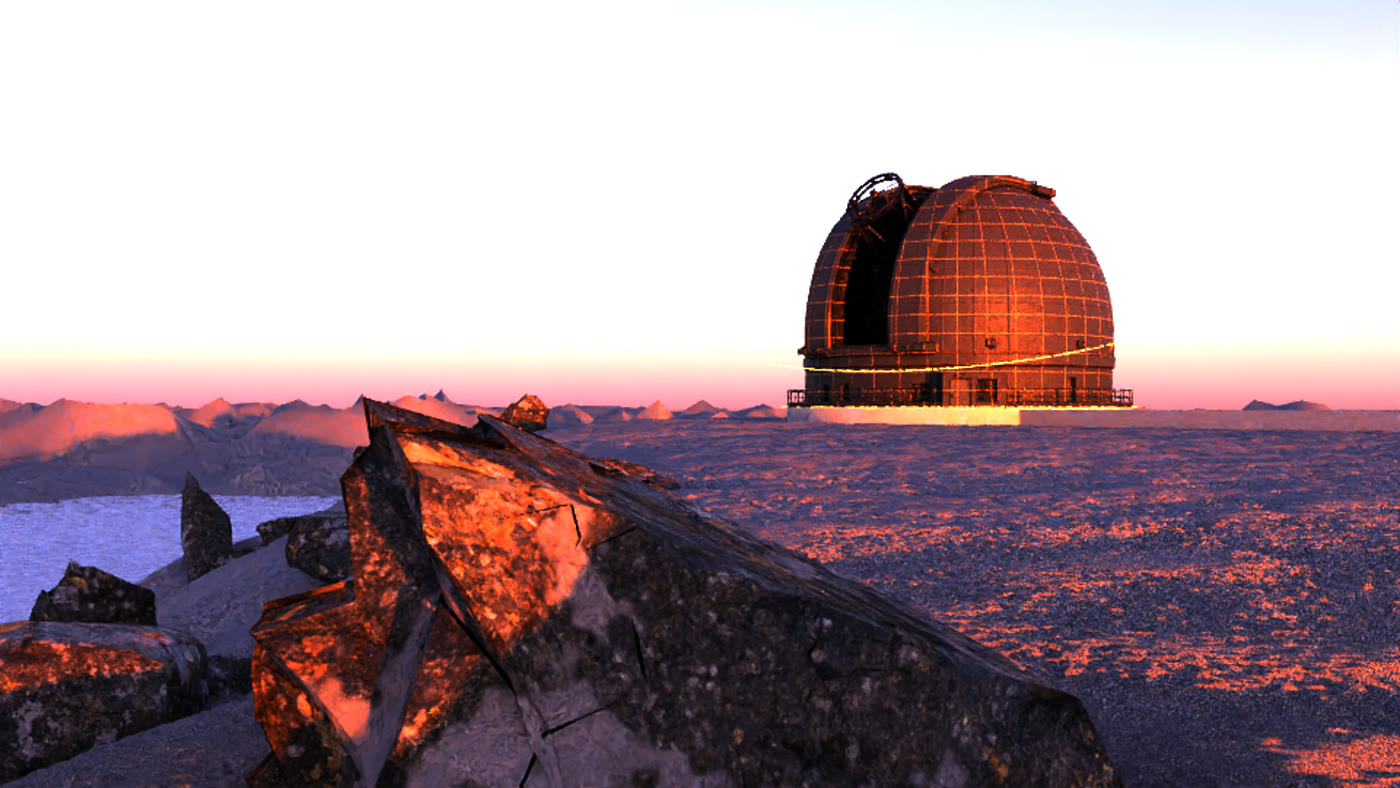
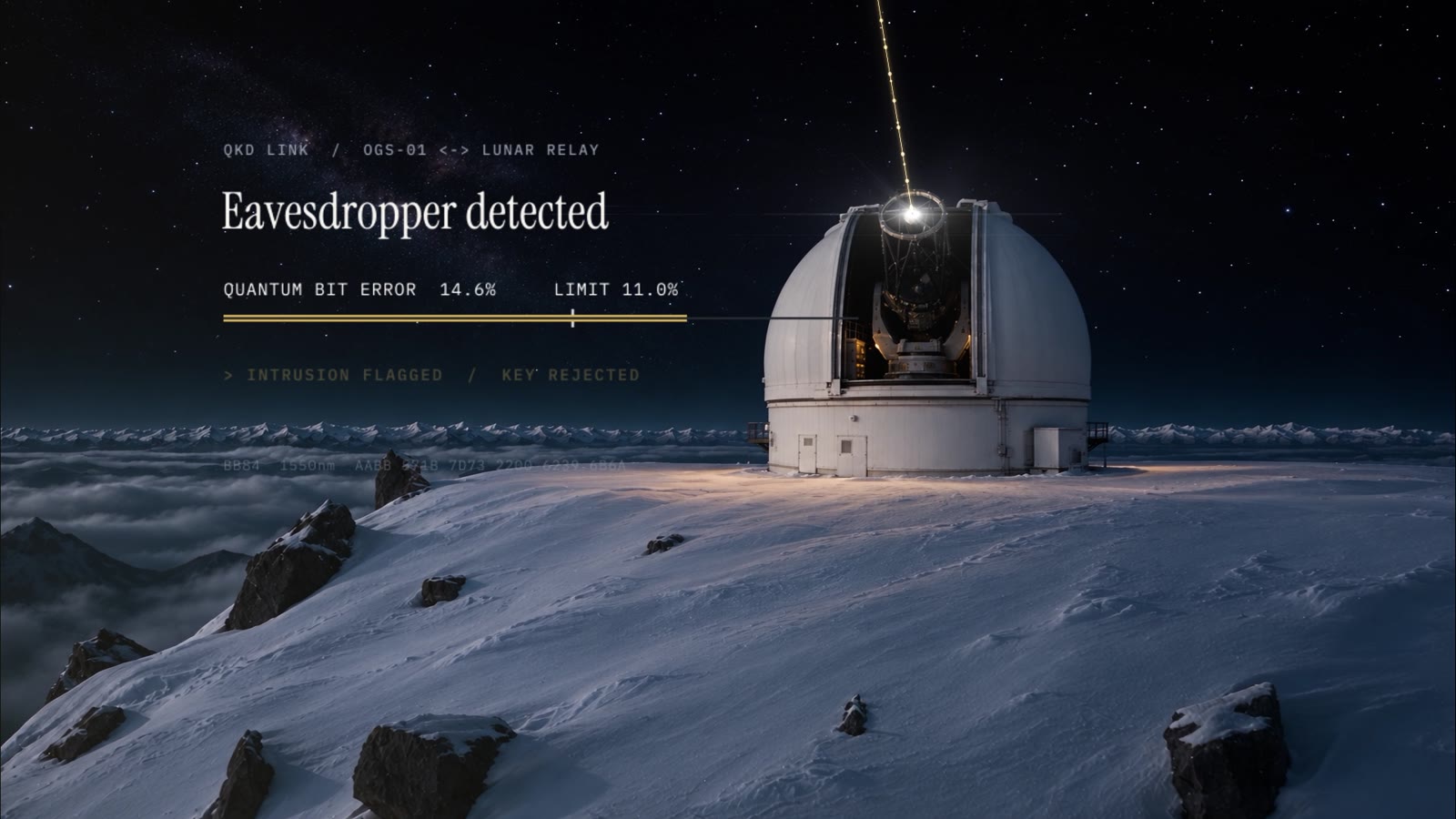
For the ground station I built the observatory in Cinema 4D and also generated an AI video plate, then tested both in the edit. The AI plate won on atmosphere. I camera-tracked it in After Effects and built the laser beam, the photon stream and the key-check interface on top, all locked to the solved camera.
Labels that ride the camera
The interface layer was built in After Effects on the imported Cinema 4D cameras, so callouts stay locked to hardware as the shot moves. Type follows the series system in mono, with gold as the only accent.
Red appears once in the whole film, for the eavesdropper. The quantum bit error rate climbs to 14.6%, past the 11% limit, so the key is discarded and a fresh one is sent.
Quiet on purpose
A calm documentary narrator, a low drone bed and restrained effects: soft transients for the laser and the key exchange, nothing that beeps. The edit, mix and captions were finished in Premiere.